
Transparency and the Veterinary Grief Gap
By Lindsay Brockman, LVT, PGSS-C
Guest Blogger | EverKin Pet Loss Support
As a licensed veterinary technician, I've spent well over a decade working with pets and their people.
From traumatic cases in the ER to non-profit community-based medicine, there isn't much I haven't seen. Throughout the years, it became abundantly clear to me that we have much work to do systemically in the veterinary industry for the benefit of our clients, their pets, and the people who serve them.
|
But one gap in particular stands out to me now, in my current work as a pet loss grief specialist: the vast communication disconnect between veterinary professionals and grieving pet guardians. |
I recently posed a question to the larger pet loss grief community: What is something you wish were different about end-of-life conversations in the veterinary world, from a client perspective? What could have helped make a difficult process less traumatic?
Out of nearly 200 replies, one sentiment showed up repeatedly: I wish there had been more transparency.
Time and again, guardians described a gap between what they were told (or not told) about their pets’ end-of-life circumstances and what they then faced in reality. Some were advised their pet would simply "take a deep breath" at home and pass when they inquired about a natural death, but they ultimately witnessed their pet suffering. Others remembered being given advanced treatment options without ever discussing quality of life or palliative care. Others still described traumatic euthanasia experiences, where they weren’t made aware of what to expect until the process had already begun. (Several guardians expressed that they were “not prepared when the light left the eyes” of their beloved companions after an initial sedative, for example.) These stories all shared a common theme about shortfalls in communication and transparency as related to grief.
|
So, why is this such a common experience? |
Compassionate veterinary professionals may be tempted to chalk this up to client misunderstanding or miscommunication. But these stories are valid and not uncommon. I’ve seen them play out many times myself, and not for lack of empathy or patient care.
Mostly, it boils down to this: we live in a society that isn't comfortable confronting death and grief. This doesn't magically change when you step into a veterinary facility. And this is further exacerbated by the systemic issues that currently exist in veterinary medicine.
We (the public, veterinary leadership) expect the staff in veterinary settings to do so much. They're supposed to be efficient, knowledgeable, trustworthy, and skilled. They're scheduled back-to-back for sick visits, wellness exams, and end-of-life appointments, usually with the added demand of drop-offs and dentals/surgeries to manage in-between. And in ER, staff are expected to somehow prioritize every emergency at once, often with low staffing and no opportunity for breaks (think scarfing down cold pizza over the crash cart between treatments.) And this is the basic physical expectation of the job. This is tough enough, and must be addressed by industry leadership broadly if the sector is to survive. The issues and proposed solutions are complex.
But then, almost as an afterthought to the above, team members are expected to navigate owners through the emotional minefield that is pet loss. They're supposed to do this over and over each day, with a variety of client personalities, and then enter the next exam room unscathed.
|
And almost always, they're expected to do it with no grief literacy training. |
The result? A huge disconnect. Compassionate animal care professionals, often underpaid and overworked, are perceived as uncaring or inept by pet parents. Clients, confused and rushed and emotional, don’t know which questions to ask. They leave uncertain, often with guilt and rumination on the horizon.
Veterinary medicine is a field that often attracts deeply feeling individuals. After all, caring for animals requires empathy and patience. We hire these people, then expect that those personality traits alone will be enough for them to successfully work with grieving clients. We send them, too often stretched thin and without adequate support, into the emotional trenches. Then we're surprised when the result is upset clients and exhausted staff.
How can we expect that team members will have the capacity for supporting clients emotionally when they rarely even have the time to take a break? How would they know the best ways to approach client grief when the rare opportunities we do have to provide them with training are promised to corporate vendors - medical distribution companies selling the machines and medications used by clinics, offering "lunch and learns" in exchange for the hope of increased sales and revenue?
|
That current model is a disservice to grieving pet guardians, and to our teams. |
I'm not suggesting to never again schedule a free lunch for the team in exchange for sitting through a presentation about the newest NSAID. I'm proposing, though, that we also carve out time for equipping staff - ALL staff - with the tools to recognize and respond to the heaviest and most influential of client emotions: grief.
Grief shows up everywhere in veterinary medicine. It shows up in the phone call a guardian makes to schedule the appointment. It shows up in the lobby, anxious and scared. And it shape shifts. This client needs to intellectualize the process to cope, bringing a list of questions and dissecting each answer. The next presents as angry, but below the surface is terrified.
Hospital staff - and that includes leadership, who should be available to assist clients in need when the rest of the team cannot step away - must be prepared to recognize grief in its various forms, and trained on how to respond in real time. Not only does this improve the client experience (I cannot overstate the importance of a positive experience for pet guardians and the residual impact on them as they navigate pet loss), it also leads to a much less stressful environment for team members and helps to create more authentic and rewarding connections across the board. As Michael Scott would say, this is a classic win-win-win.
|
So where can we start? |
Most importantly, we can all continue to talk about death and grief openly, even when those conversations are uncomfortable. This is the single most effective way to reduce the stigma that often leads to this unintentional lack of transparency.
More tangibly, clients and veterinary professionals can advocate for grief literacy training. Veterinary management can lead the way in making space for it. We have to prioritize closing the grief gap disconnect between veterinary professionals and pet guardians.
We cannot continue to throw empathetic team members into the emotional fire, unprepared, on the assumption that their kindness will protect them from burnout and fatigue. We cannot expect pet guardians to respond to this dynamic with patience when grief is already limiting their resilience. We have to give attention to the impact that a lack of transparency has on a grieving guardian long-term.
We are entering an era where companion animals are being seen as family, and we are starting to recognize more widely the impact of pet loss and the importance of emotional intelligence in medical practice. We are in a position to acknowledge that pizza parties and minimal bonuses are not the cure-all for the mental health crisis that plagues the veterinary industry.
We exist - licensed and certified professionals who offer this type of training for teams. If you're reading this, you can be a champion for it. Opening the door for this conversation in your workplace or the clinic your pet visits is the first step. We need to empower and equip our animal care professionals to recognize and respond not only to medical conditions, but to the human condition that is grief.
If you're still in the trenches in the veterinary field, please know that dealing with loss on a regular basis, often without adequate support, has adverse impacts on us. We're human. You deserve support, too. You are seen and appreciated.
If you are a guardian struggling with how your pet’s transition unfolded due to a lack of transparent communication, please show yourself grace. You did the best you could with the information you had. You wouldn't be struggling if you didn't care deeply.
|
If we can change the system together, and begin to close the grief gap, we will all be better for it. |
* * * * *
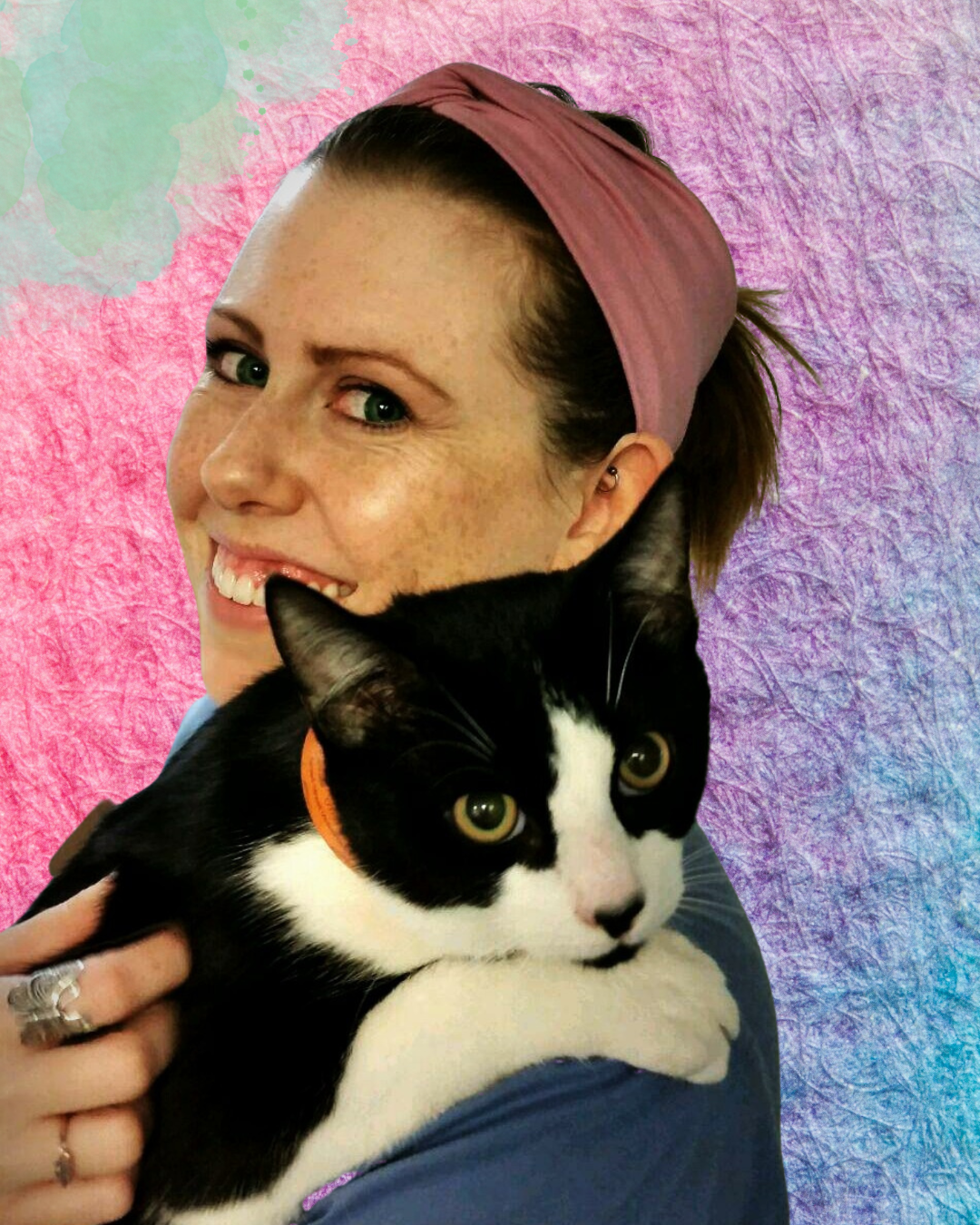 |
Meet the guest blogger, Lindsay BrockmanLindsay Brockman is a licensed veterinary technician and certified pet grief loss specialist with nearly 15 years of experience in emergency medicine, general practice, non-profit community care, and hospice/end-of-life support. She is the founder of EverKin Pet Loss Support (www.everkinpetloss.com / IG @everkinpetloss), where she offers one-on-one grief support, grief literacy workshops for animal care teams, and custom engagements focused on understanding and navigating pet loss grief. |
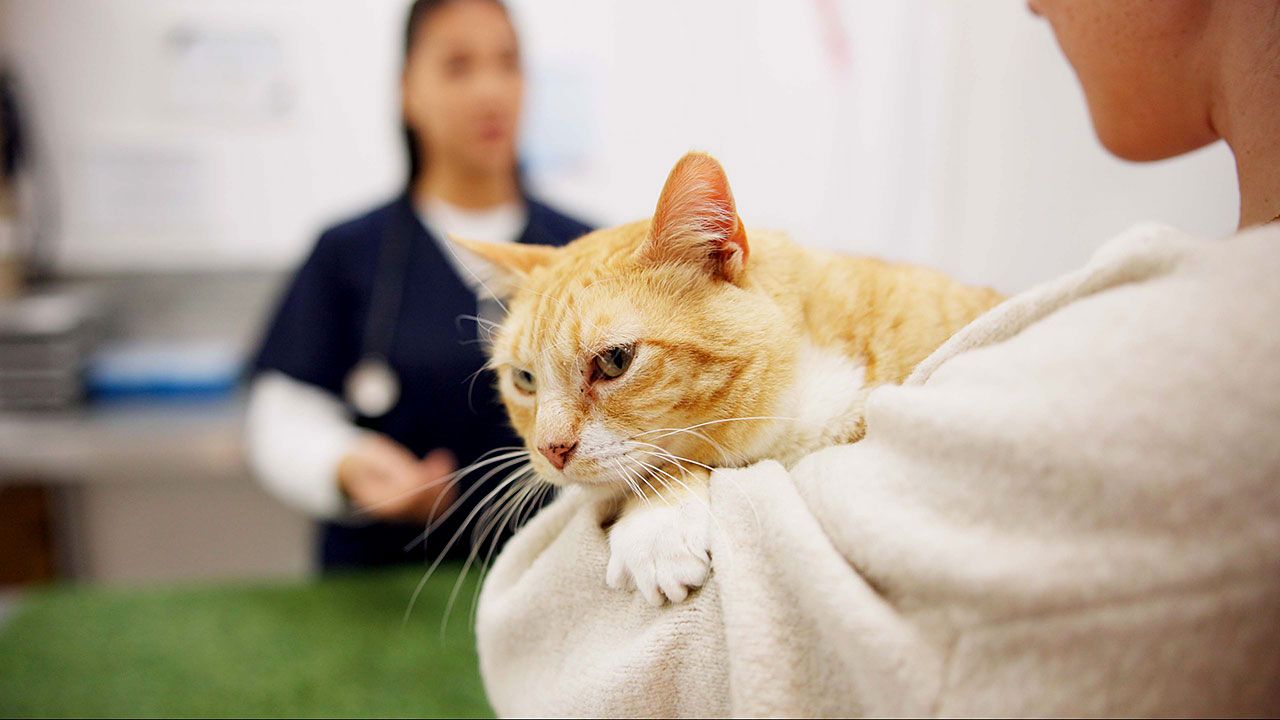
( Please show us all that you like this article by sharing, commenting, and/or giving this a "LIKE" on Facebook. Photo: Veterinary team member speaking with a concerned pet parent holding their cat - Transparency and the Veterinary Grief Gap AHG Guest Blog Post. )