
Common Mistakes New Turtle Owners Make and How to Support a Turtle Throughout Its Life
By Zawad Karim
Guest Blogger | Turtle Care Enthusiast, Pet Your Turtle
Introduction
Turtles are often seen as simple, low maintenance pets. Because of this, many people bring them home without fully understanding what they need.
In reality, turtles require consistent care, proper space, and a stable environment to stay healthy. More importantly, they are long living animals. With the right care, many turtles can live for several decades.
This means that the way a turtle is cared for in the beginning has a direct impact on how well it ages later in life. Good care is not just about avoiding problems early on. It is also about making sure your turtle can live comfortably and be supported as it grows older.
Understanding common mistakes early can make a meaningful difference in both the lifespan and quality of life of a turtle.
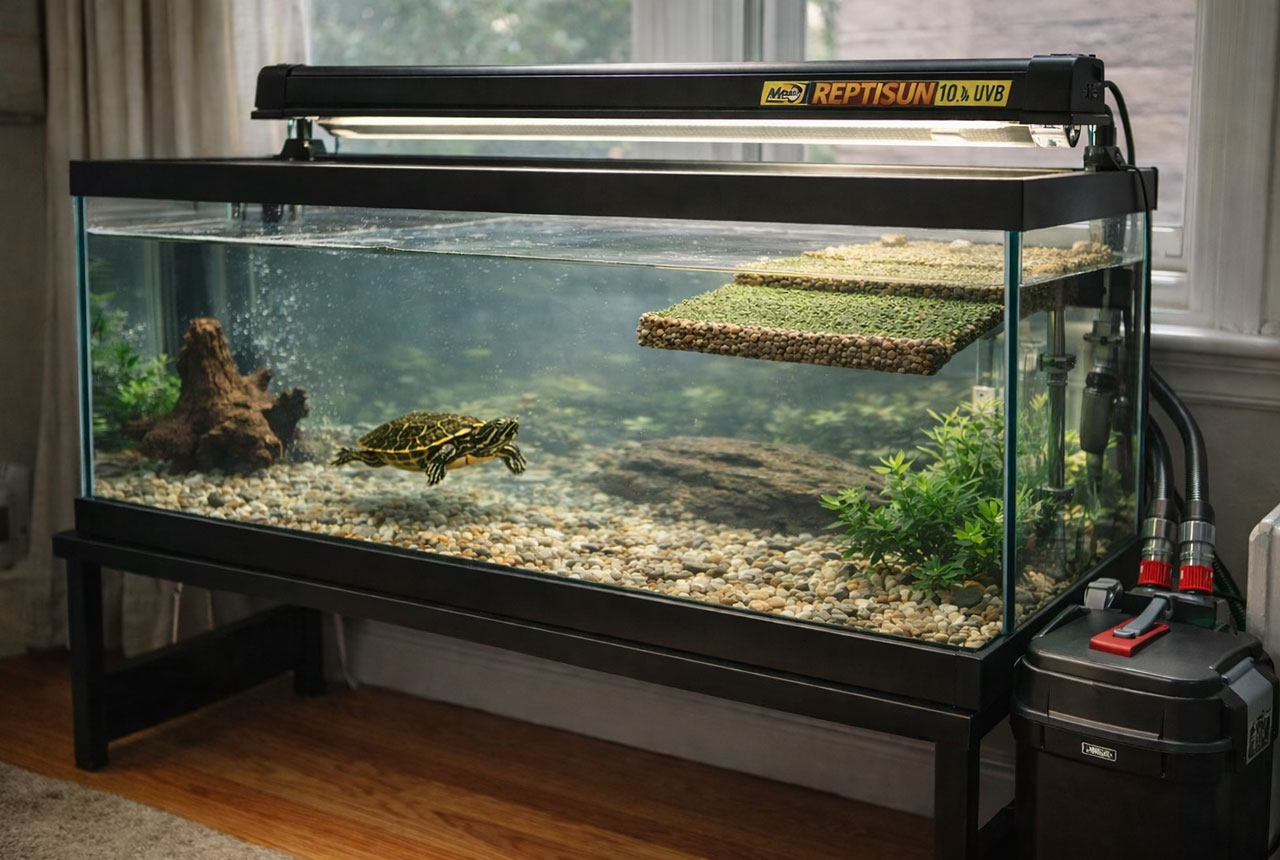
Photo caption: photo of a home tank for a turtle with ample living space.
Choosing a turtle without understanding its long term needs
One of the first mistakes happens before the tank is even set up.
Many people choose a turtle based on appearance or availability without researching the species. Red eared sliders, for example, are very common but grow much larger than most people expect. They also require long term commitment and proper space as they age.
When owners are not prepared for this, turtles often end up in environments that do not meet their needs. Thinking ahead and understanding the full lifespan of a turtle helps ensure that it can be cared for properly not just now, but years down the line.
Keeping turtles in tanks that are too small
A small tank might seem fine at first, especially for young turtles. However, turtles grow quickly and need space to swim and stay active.
A general guideline is to provide around ten gallons of water per inch of shell length. As turtles grow older, having enough space becomes even more important. Limited space can lead to stress, reduced movement, and difficulty maintaining clean water.
A well sized tank supports both physical health and comfort throughout a turtle’s life.
Poor water quality and weak filtration
Water quality is one of the most important parts of turtle care.
Turtles produce a lot of waste, and without proper filtration, the water can quickly become unhealthy. Cloudy water, strong odors, and waste buildup are all signs that the system is not working properly.
Over time, poor water conditions can lead to infections and long term health issues. Older turtles can be even more sensitive to these conditions.
Maintaining strong filtration and a regular cleaning routine helps create a stable environment where turtles can stay healthy at every stage of life.
Lack of proper lighting and basking
Turtles need a place where they can leave the water and completely dry off.
A proper basking area with heat and UVB lighting is essential. UVB helps turtles process calcium and maintain strong shells. Without it, they can develop serious health problems over time.
As turtles age, proper lighting becomes even more important for maintaining bone strength and overall health.
Overfeeding and improper diet
Feeding is another area where many owners struggle.
Turtles need a balanced diet that includes pellets, leafy greens, and occasional protein. Overfeeding can lead to obesity and poor water quality.
A consistent and balanced diet supports long term health and helps prevent issues that may affect turtles later in life.
Inconsistent cleaning and maintenance
Even with a good setup, regular maintenance is necessary.
Skipping water changes or delaying cleaning routines allows waste to build up over time. This creates an unhealthy environment and increases the risk of illness.
Simple habits like partial water changes and regular checks can keep the tank stable and reduce stress on the turtle.
Not planning for aging and long term care
One of the most overlooked aspects of turtle care is aging.
Turtles can live for decades, and their needs can change over time. Older turtles may become less active, more sensitive to water quality, and may require a more stable and gentle environment.
Supporting a turtle later in life means maintaining clean water, reducing stress, and paying closer attention to changes in behavior or health.
Caring for a turtle is not just about the early stages. It is about being prepared to support them throughout their entire life, including their later years.
Supporting Aging Turtles: Hospice Care, Comfort, and End-of-Life Planning
One thing I did not fully understand when I first started keeping turtles is how quietly they age.
With most pets, you can clearly see when they are getting older. They slow down, they behave differently, and you instinctively know something is changing. Turtles are different. They can look almost the same for years. They eat, they bask, they swim, and everything seems normal.
But over time, if you pay close attention, you start to notice small changes.
Maybe they move a little slower than before.
Maybe they spend more time resting.
Maybe their appetite is not what it used to be.
These changes are easy to ignore because they do not feel urgent. But in reality, this is often how aging begins in turtles. It is subtle and gradual.
Because of this, caring for an older turtle becomes less about improving their setup and more about maintaining comfort and stability.
I have learned that older turtles do best in environments that feel predictable. Clean water becomes even more important. Not just for health, but for comfort. A stable temperature matters more than ever. Even the basking area should be easy to reach, especially if they are not as strong or active as they once were.
You also start to handle them differently. Less frequent, more gentle, and only when necessary. The goal shifts from interaction to reducing stress.
There comes a point where you begin to think less about long term optimization and more about quality of life.
This is the stage that many people are not prepared for.
Turtles do not always show pain in obvious ways. They do not cry or make it clear that something is wrong. Instead, you have to read between the lines. Small behavioral changes become important. A slight loss of appetite, less interest in basking, or unusual stillness can mean more than we expect.
From what I have experienced, this is what makes end of life care for turtles so difficult. You are often making decisions without clear signals.
You are trying to do what is best for them, while never being completely sure where they are in their journey.
I have seen turtles live for decades with consistent care, remaining active and healthy far longer than most people expect. At the same time, I have also seen how quickly things can change once they begin to decline.
That is why I believe caring for a turtle is not just about setting up the perfect tank or feeding the right diet. It is about being present and observant over time.
And eventually, it is about being prepared.
Prepared to adjust your care as they age.
Prepared to focus on comfort instead of growth.
Prepared to make decisions that prioritize their well being, even when those decisions are not easy.
Thinking about the end of a turtle’s life is not something most owners want to do. But having a basic plan helps.
Knowing where to find a reptile veterinarian Understanding what options are available when the time comes And most importantly, being ready to provide a calm and stress free environment in their final stage of life
For me, the biggest realization has been this:
Turtles do not ask for much. But they depend on consistency.
If you can give them clean water, a stable environment, and long term care, they can live incredibly long lives. And when they reach their later years, what matters most is not perfection, but comfort.
Caring for a turtle all the way through its life is a quiet kind of responsibility. It does not always feel dramatic or urgent. But it is meaningful in a way that is hard to explain unless you have experienced it yourself.
Conclusion
Caring for a turtle may seem simple at first, but over time it becomes something much more meaningful.
Many common mistakes happen early, when their needs are underestimated. A small tank, poor water quality, or inconsistent care might not feel serious in the moment, but these choices shape a turtle’s health for years to come. What you do in the beginning carries forward.
Turtles age quietly, without clear signs. One day you simply notice they have slowed down. And in that moment, care begins to shift from growth to comfort.
The same consistency that helps them thrive early in life is what supports them as they grow older. Clean water, a stable environment, and close attention to small changes become even more important.
Turtle care is not divided into stages. It is one continuous responsibility that evolves over time.
In the end, it is not just about helping a turtle live a long life, but about being there through all of it and making sure each stage is as stable and comfortable as possible. 🐢
Meet the guest blogger, Zawad KarimZawad Karim is a turtle care enthusiast with a strong focus on proper husbandry, tank setup, and water quality management for aquatic turtles. His work centers on helping turtle owners create stable, healthy environments that support long term well being. He shares practical, experience based insights to simplify turtle care and help owners avoid common mistakes. You can explore more in depth turtle care guides at https://petyourturtle.com/. |
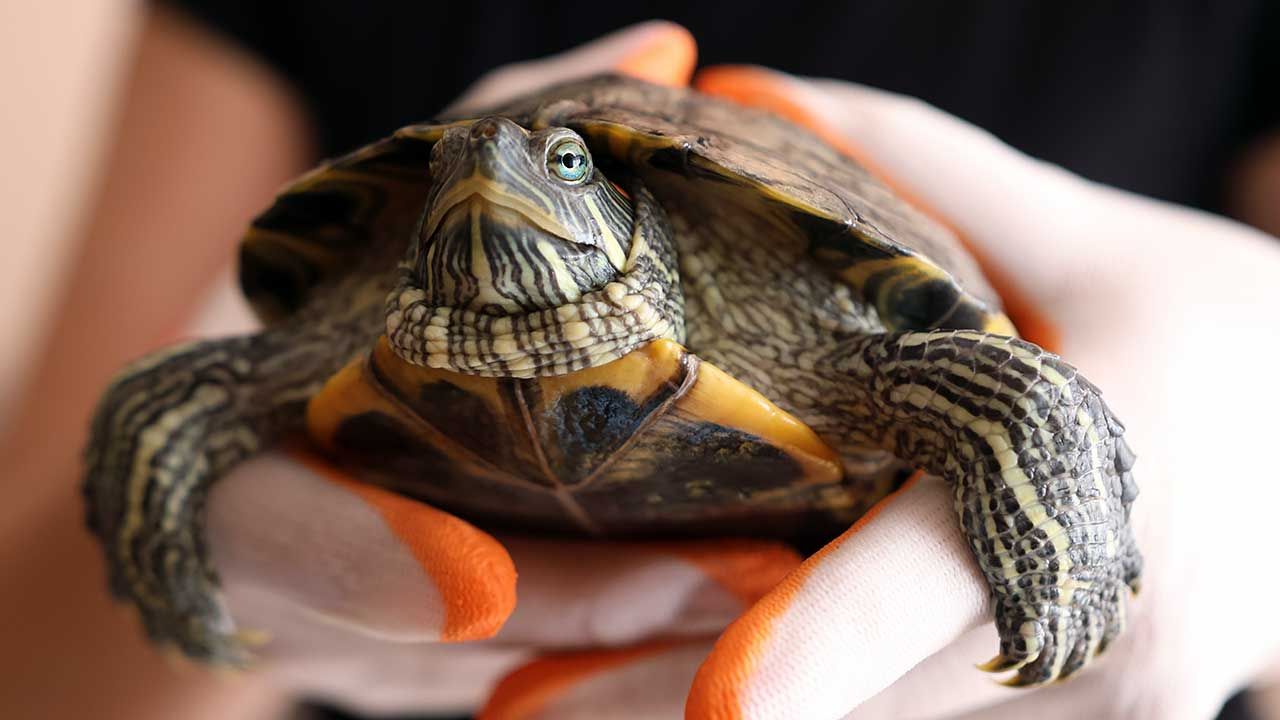
( Please show us all that you like this article by sharing, commenting, and/or giving this a "LIKE" on Facebook. Blog Post Banner Photo: close-up of a red-eared slider turtle being held carefully by reptile caretaker with gloves. Common Mistakes New Turtle Owners Make and How to Support a Turtle Throughout Its Life, AHG Guest Blog Post. #TurtleTime )